Search...
INR     Login
Tours
Request Call Back

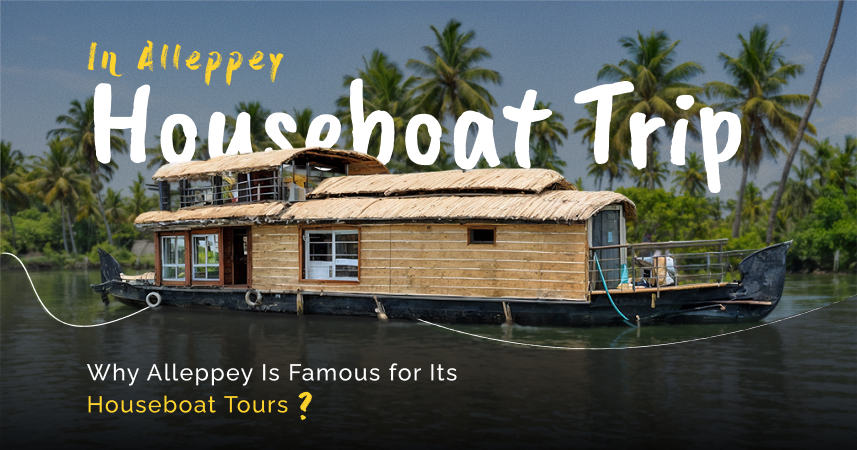
Why Alleppey Is Famous For Its Houseboat Tours

Why Alleppey Is Famous for Its Houseboat Tours

The other name of Alleppey is Alappuzha, and it is one of the major tourist destinations in Kerala. The place is popular among tourists due to the houseboats and backwaters of Alleppey. Alleppey is situated in the region along the Arabian Sea and has various lakes, rivers, lagoons, and canals. It is a perfect destination for tourists who like to explore Kerala by boat. There are tours of a few hours as well as overnight stay tours of the area available for tourists. They can admire views of green fields, villages, and local life in the area. This destination is very important for India tourism as it provides another view of the nature and culture of Kerala. There are many tour packages for India that include this destination.


The History of Traditional Kettuvallams

Kettuvallams were traditionally used in Kerala for transporting goods between villages, markets, and trading centres. Before modern transport became common, these boats played an important role in moving agricultural products. Rice was one of their main cargo items because Kuttanad and other nearby areas produced large quantities of paddy. Traders also transported spices, coconut products, and other local goods through the inland waterways.

The name kettuvallam comes from two Malayalam words: kettu, meaning tied, and vallam, meaning boat. It describes the traditional construction method in which wooden parts were joined together using ropes.

Anjili (wild jack) wood was commonly used to build the main body of these boats. Craftsmen joined wooden planks with coir ropes made from coconut fibres. Unlike modern construction methods, this technique did not depend on iron nails. Black resin (oil) made from boiled cashew nut shells was also applied to the wooden surface to help protect it from water.

Traditional kettuvallams had long and wide bodies with large storage areas. Their design provided enough space for heavy goods while allowing them to move through Kerala's inland waterways. The construction required skilled boat builders who understood the correct joining methods and the properties of different materials.

These techniques were passed down through generations of craftsmen. As a result, kettuvallams became an important part of Kerala's traditional boat-building knowledge. Their original design also provides an example of how local communities developed transport systems according to the geographical conditions of the region.


How Cargo Boats Became Houseboats

The construction of roads and bridges slowly changed the transportation methods in Kerala. It was easier for people to transport goods via trucks because traders were able to transport their goods directly to various markets without using rivers.

Hence, the significance of cargo boats decreased drastically. As traditional cargo transport declined, local boat owners and many India tourism companies started exploring new uses for Kettuvallams. They gradually converted these traditional cargo boats into houseboats for tourists.

This involved the modification of the interiors of the boats while maintaining the traditional exterior design. The cargo space of the boats was converted into a bedroom, kitchen, and a dining room. Bathrooms, lighting, electrical connections, and other facilities were also installed.

This transformation also required the consideration of safety issues and those related to the needs of the passengers. Boat operators had to think about the number of visitors, the amount of space available, cleanliness issues, and all that is needed for staying overnight in the boats.

Boats of various sizes & accommodation arrangements became available to suit the requirements of couples, families, & bigger groups. Such transformation has opened up new possibilities for business in the area. Local boat makers got orders for the conversion, repairs, and maintenance of the boats.

Tour operators from India have started hiring cooks and housekeeping personnel. Shopkeepers also benefited from the need for food items and other requirements. Houseboats now form a significant part of the tourism industry of Alleppey.


Exploring Alleppey's Backwaters

Alleppey's backwaters are made up of lakes, rivers, & canals that provide visitors with different experiences. Vembanad Lake, the largest lake in Kerala, is a major attraction. Houseboats travel through its waterways, passing small villages & farmland. Punnamada Jetty and Finishing Point are two common starting points for these trips.

Kuttanad is another important area, famous for growing rice in fields located below sea level. Farmers use strong bunds, water pumps, & special water control systems to protect their crops from flooding and manage water levels.

Waterways are also an important part of daily life. Local people use small boats to travel to schools, shops, & nearby villages. Fishing is a common source of income, with fishermen using traditional nets to catch freshwater fish for local markets and businesses.

Coconut farming also supports local industries. Workers process coconut husk fibres to produce coir ropes, mats, & other useful items, creating jobs for many families.

The wetlands attract several bird species, including egrets, herons, & kingfishers. Water lilies and other aquatic plants are also found in these areas and support small water organisms.

Alleppey's backwaters support tourism, agriculture, fishing, transport, local industries, and wildlife.


Food and Comfort During Houseboat Tours

Meals and comfortable rooms are important parts of an overnight houseboat trip in Alleppey. Most tourist boats have a small kitchen where a cook prepares fresh food during the journey. Guests can enjoy traditional Kerala meals while travelling through the backwaters.

Lunch and dinner often include Kerala red rice, fish curry, fried fish, vegetable dishes, and local side dishes. Coconut, curry leaves, and regional spices are commonly used in these meals. For breakfast, guests may be served appam, dosa, idiyappam, and other Kerala specialities. The food choices depend on the houseboat company & the package booked.

Freshwater fish is commonly included in houseboat meals. However, vegetarian food can also be arranged if requested. Guests with food allergies or special dietary needs should inform the operator before booking so that suitable meals can be prepared.

Houseboats are available in different sizes to meet different travel needs. Most overnight boats have private bedrooms and attached bathrooms. Smaller boats are suitable for couples, while families and larger groups can choose boats with more bedrooms.

Basic houseboats usually offer bedrooms, a dining area, & necessary bathroom facilities. Premium and luxury boats may have bigger rooms, better furniture, improved interiors, and extra services. Many boats also provide air-conditioning, but the available hours depend on the package.

Before booking, visitors should confirm which facilities are included. They should check air-conditioning timings, meal arrangements, drinking water availability, and any extra charges.

It is also useful to ask about departure, arrival, and overnight parking schedules. Some houseboats stop moving in the evening and stay at one place overnight.

Checking room capacity, food options, facilities, operating hours, & total costs helps travellers choose the right houseboat for a comfortable stay in Alleppey.

Write Your Comment


Post A Comment

(0) Comments:

  • No reviews available.